Top Benefits of Using RV Lithium Battery for Your RV?
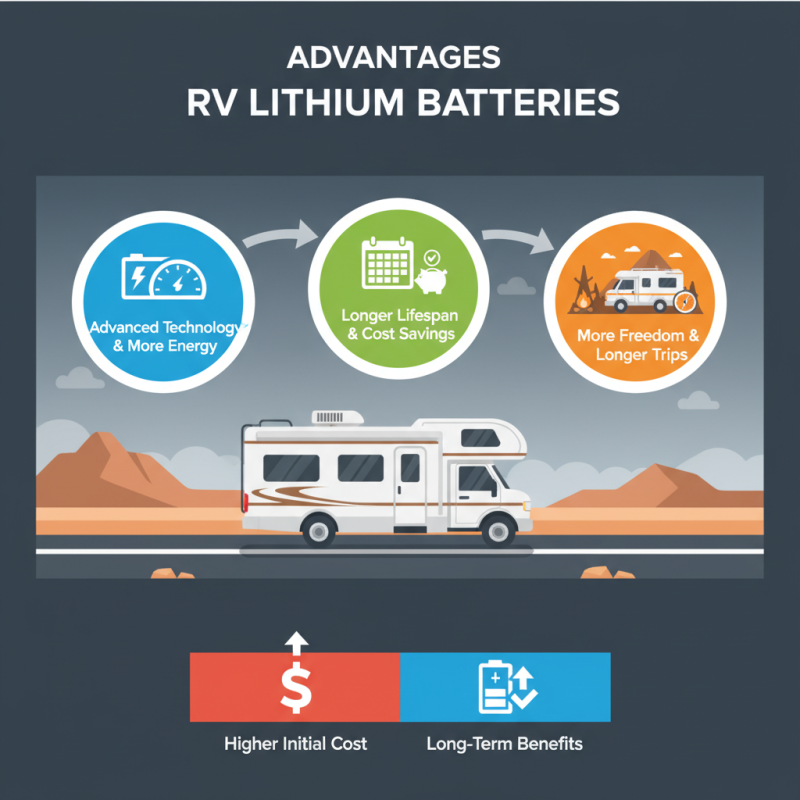
When it comes to powering your RV, the choice of battery can significantly impact your travel experience. The RV Lithium Battery stands out due to its advanced technology and unique benefits. Unlike traditional batteries, lithium options are lighter and provide more energy. This translates to longer trips without the need for constant recharging.
Additionally, the RV Lithium Battery has a longer lifespan, reducing the frequency of replacements. Over time, this can lead to cost savings. However, it’s essential to consider the initial investment. Some users hesitate due to the higher upfront cost. Reflecting on long-term benefits can help make a more informed decision.
Understanding how the RV Lithium Battery works can enhance your RV adventures. With a reliable power source, you can enjoy more remote locations without sacrificing comfort. Using this technology may require some adjustments, but the rewards can be worth it. More freedom and less worry about battery life can redefine your RV experience.
Advantages of Lithium Batteries Over Traditional RV Batteries
Lithium batteries present several advantages over traditional RV batteries. One significant benefit is their energy density. According to a report from the Department of Energy, lithium batteries can store about three times more energy than lead-acid batteries of the same size. This means RV owners can travel longer distances without the need to recharge frequently.
Another advantage is the weight difference. Lithium batteries are about half the weight of conventional batteries. This reduction in weight can enhance the overall performance and fuel efficiency of the RV. For example, a typical lead-acid battery weighs around 60 pounds, while a lithium equivalent weighs approximately 30 pounds. This can lead to a more agile and manageable vehicle on the road.
Additionally, lithium batteries have a longer lifespan. They can last up to 10 years or more with proper care. In contrast, traditional batteries may need to be replaced every 3 to 5 years. This durability translates into significant cost savings over time. It’s essential, however, to consider the initial investment. Lithium batteries typically come with a higher price tag, which can be a barrier for some RV enthusiasts. Yet, the long-term benefits often outweigh the upfront costs.
Longer Lifespan: How Lithium Batteries Outlast Lead-Acid Options
When it comes to RV batteries, lithium offers distinct advantages over lead-acid options. One of the standout features is longevity. Lithium batteries generally last much longer, sometimes up to 10 years or more with proper care. In contrast, lead-acid batteries typically need replacement every 3 to 5 years. This lifespan means fewer replacements and a better return on investment for RV enthusiasts.
Another point to consider is performance consistency. Lithium batteries maintain voltage levels better throughout their discharge cycle. This stability ensures that your RV appliances run efficiently, even as the battery drains. With lead-acid options, you may notice a decline in power, leading to frustrating moments during trips.
Battery maintenance is often overlooked. Lead-acid batteries require regular maintenance to check and refill electrolyte levels. Meanwhile, lithium batteries need less hassle, allowing users to focus more on adventure and less on upkeep. However, transitioning to lithium isn’t without its challenges, such as initial costs. Ensuring compatibility with existing systems can also prompt careful planning. Reflecting on these aspects can enhance the overall RV experience.
Top Benefits of Using RV Lithium Battery for Your RV
| Benefit | Lithium Battery | Lead-Acid Battery |
| Lifespan | Up to 10 years | 3 to 5 years |
| Weight | Lightweight | Heavy |
| Charging Speed | Faster Charging | Slower Charging |
| Depth of Discharge | Up to 100% | 50% Max |
| Cycle Life | 3000-5000 cycles | 500-1000 cycles |
Faster Charging Times: The Efficiency of Lithium RV Batteries
Faster charging times are one of the key benefits of using lithium RV batteries. Unlike traditional lead-acid batteries, lithium batteries can charge significantly quicker. This efficiency means you can get back on the road faster after downtime. Many RV travelers find this crucial during trips where every minute counts.
Lithium batteries often achieve a full charge in as little as two hours. In contrast, a lead-acid battery may take up to eight hours for the same result. This time efficiency is not just convenient; it's transformative for those on long journeys. If you're in a remote location, a quicker charge can mean the difference between staying put or continuing your adventure.
However, there are considerations. While lithium batteries charge quickly, they may require a specific type of charging system. Not every RV setup is compatible right out of the box. Travelers should assess their current equipment and consider potential upgrades. Transitioning to lithium can provide many advantages but may also require some modifications or learning about new features.
Weight Reduction Benefits of Using Lithium Batteries in RVs
Using lithium batteries in RVs offers significant weight reduction benefits. Lithium batteries can be up to 50% lighter than traditional lead-acid batteries. A conventional lead-acid battery might weigh around 60 pounds, while a lithium battery of equivalent capacity weighs about 30 pounds. This reduction can greatly affect overall vehicle weight.
Less weight means easier handling. RVs are often burdened by heavy equipment. A lighter battery can improve fuel efficiency and enhance maneuverability. According to a study from the Department of Energy, reducing RV weight by 10% can increase fuel efficiency by up to 5%. This improvement is crucial for longer trips where every ounce counts.
However, transitioning to lithium batteries does come with challenges. Installation may require modifications, leading to potential extra costs. Additionally, understanding lithium battery management is essential. Users must learn about Lithium Iron Phosphate (LiFePO4) technology to maximize battery life. Overall, the lighter and more efficient battery option offers many advantages that can redefine RV travel experiences.
Enhanced Safety Features of Lithium Batteries for RV Enthusiasts
Lithium batteries are becoming popular among RV enthusiasts. The enhanced safety features they offer are a significant reason for this trend. Lithium batteries have built-in management systems that protect against overcharging, overheating, and short circuits. This reduces fire risks, a concern for many RV owners. According to the Battery University, lithium batteries have a thermal runaway temperature of around 150°C, compared to lead-acid batteries that can catch fire at much lower temperatures.
In addition, lithium batteries are less prone to damage from deep discharges. They can be drained to about 20% of their capacity without harm, unlike lead-acid batteries, which should not be discharged below 50%. This capability provides RV users with peace of mind during long trips. The RV industry has also noted that lithium batteries can last up to 10 years or more, significantly reducing the need for replacements and minimizing hazardous waste.
Despite these advantages, some potential users still express concerns. The initial investment for lithium batteries is higher than traditional options. There’s also the challenge of finding proper disposal methods at the end of their life cycle. These issues require careful consideration for RV enthusiasts contemplating the switch. Understanding these nuances helps RV owners make informed decisions while enhancing safety on their journeys.