What Are the Best Home CNC Machines in China?
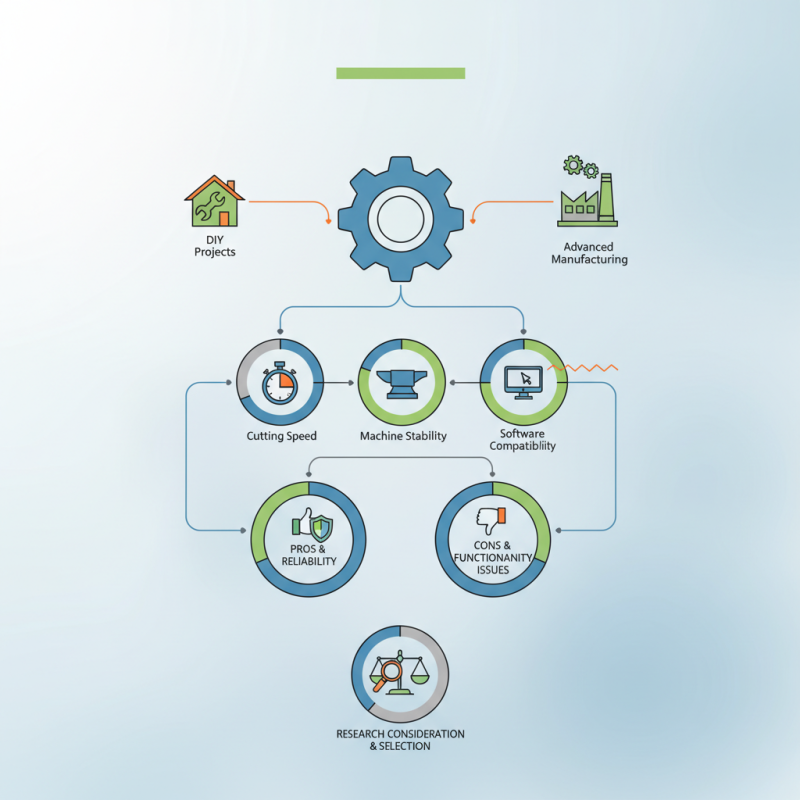
The rising popularity of home CNC machines in China reflects a growing interest in DIY projects and advanced manufacturing. Home CNC machines allow hobbyists and small businesses to produce precise components and customized items right from their workshops. This accessibility has led to an array of options available in the market.
When considering the best home CNC machine, users should focus on specific features. These include cutting speed, machine stability, and software compatibility. Each machine offers unique capabilities, making it vital to match a model with your needs. However, not every product lives up to its promises. Some machines may disappoint due to durability or functionality issues, which can lead to frustration.
Understanding the pros and cons of each model is essential. In addition, user reviews can provide insights into real-world performance. Investing time in research can be beneficial. Ultimately, selecting the right home CNC machine requires careful consideration, reflecting a balance between capability and reliability.
Best Home CNC Machines in China: An Overview of Features and Technologies
Home CNC machines in China are rapidly gaining popularity among hobbyists and small businesses. These machines vary significantly in features and technologies. Understanding these factors can help users make informed decisions.
Many CNC machines offer versatile capabilities. They can handle materials like wood, metal, and plastics. Some models come with advanced features, such as automatic tool changers. This enhances efficiency, especially for batch production. However, not all machines deliver the promised precision. Users must carefully assess their needs before choosing a model.
Screen size is another crucial element. A larger screen offers better visualization. Yet, smaller machines can be more space-efficient for home use. Some users may struggle with complicated software interfaces. By investing time in training, they can unlock the full potential of these machines. Overall, while many options exist, finding the right balance between features and usability is key.
Factors Influencing the Popularity of CNC Machines in the Chinese Market
CNC machines have gained significant traction in the Chinese market. The rapid growth of the manufacturing sector has driven demand for precision tools. According to a recent report from ResearchAndMarkets, the CNC machine market in China is expected to reach around USD 10 billion by 2025, with a compound annual growth rate (CAGR) of 6.5%. This trend indicates a clear shift towards automation and efficiency.
Several factors contribute to the increasing popularity of CNC machines in China. The rise in smart manufacturing pushes industries to adopt advanced technology. Additionally, the government’s support for innovation fuels demand. The focus on quality and speed in production further drives the adoption of CNC technology. Interestingly, small businesses are also embracing CNC machines. They see them as a way to compete in a crowded market.
Despite the positive trends, challenges remain. Many manufacturers struggle with the high costs associated with these machines. Limited training and skilled labor may hinder proper usage. Furthermore, there are concerns about the environmental impact of increased automation. As the market evolves, these issues will need to be addressed for future growth. It's vital for stakeholders to reflect on these aspects for sustainable development in the CNC sector.
Top Brands and Their Market Shares in China's Home CNC Machine Industry
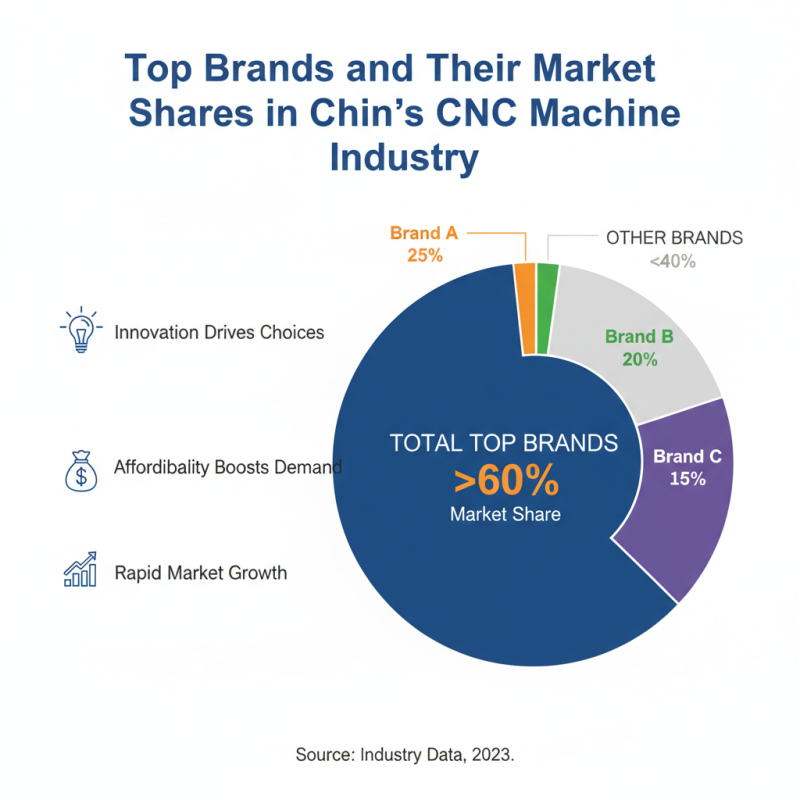
The market for home CNC machines in China has been growing rapidly, with several brands capturing significant shares. According to recent data, the top brands in this industry account for over 60% of the market. This trend points to a competitive landscape, where innovation and affordability are driving consumer choices.
Data from industry reports show that user-friendly designs and robust customer support significantly influence buying decisions. Many consumers opt for machines that allow for easy customization. High-quality materials are also a major factor, affecting durability and precision. It's essential to weigh these aspects when choosing a home CNC machine, as performance varies significantly across different models.
**Tip:** Always check user reviews. Reviews provide insights into real user experiences. They can highlight common issues and reliability. Also, consider after-sales service availability. A supportive service team can make a notable difference. In this fast-evolving industry, staying informed about new technologies can also enhance your purchasing power. Being aware of emerging trends will help you make a wise investment in the long run.
User Satisfaction Ratings and Reviews of CNC Machines in China
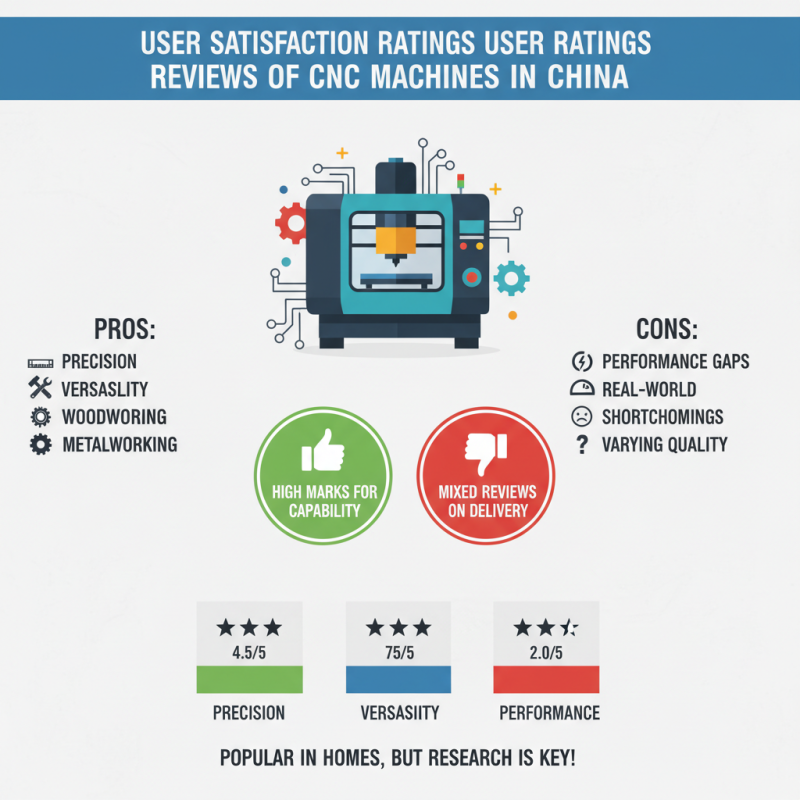
CNC machines have gained popularity in homes across China. Users often appreciate their precision and versatility. These machines allow for a wide range of projects, from woodworking to metalworking. However, the user satisfaction ratings vary. Some machines promise high performance but fall short in real-world settings.
Many reviews highlight issues like software complexity. Users report difficulty in learning how to operate certain models. Additionally, some machines experience mechanical failures. This inconsistency can lead to frustration among beginners. Not every machine lives up to its advertising claims, often leaving users disappointed.
Users also mention the importance of customer support. A responsive service team can make a significant difference. When challenges arise, having access to reliable help is crucial. Positive reviews often emphasize brands that provide helpful resources and quick responses. Overall, while some CNC machines perform excellently, others need improvements. User reviews reflect a learning curve in choosing the right machine for individual needs.
Future Trends in Home CNC Machine Development in China
The future of home CNC machines in China appears promising. With the surge in DIY culture and maker movements, these machines are gaining popularity. Market research indicates a potential annual growth rate of over 15% in the next five years. This growth will be influenced by advances in technology, making CNC machines more accessible.
As technology evolves, the demand for user-friendly design software increases. People want to create intricate designs without extensive training. Reports suggest that companies focusing on intuitive interfaces will have a competitive edge. However, challenges remain. Many users experience a steep learning curve. This gap can deter potential buyers.
Tips: Consider investing time in learning design software. Join online communities for support. Never underestimate the value of practice. Embracing small failures as learning opportunities can enhance skills.
The rise of home CNC machines also correlates with sustainability trends. Many consumers prefer machines that use eco-friendly materials. Yet, not all manufacturers are adapting quickly to these needs. The lag in sustainable practices may become a concern for environmentally conscious buyers. Emphasizing efficiency while reducing waste will be critical for market success.