
7 Best Sealed Micro Switches for Global Buyers?
Global buyers need more than a compact switch with a waterproof label. A dependable Sealed Micro Switch must survive dust, moisture, vibration, temperature changes, and repeated actuation. Its housing, gasket, terminals, contact system, and mounting method all influence field performance.
Market research supports this demand. Grand View Research identifies rising automation, automotive electronics, and industrial equipment as major micro switch growth drivers. MarketsandMarkets also forecasts continued expansion, although its market boundaries differ from other reports. That difference matters. A ranking can still mislead.
This guide examines seven Sealed Micro Switch options for international purchasing teams. It compares sealing ratings, electrical load, operating force, mechanical life, terminal design, certifications, and supplier consistency. Product images are not enough. A switch may look robust but fail after condensation enters a poorly protected seam.
Reliability expert Dr. Michael Pecht offers a useful principle: “Reliability must be designed into a product, not inspected into it.” That idea fits sealed switching components closely. Buyers should review test conditions, not only advertised numbers. Check whether ratings apply to resistive or inductive loads. Confirm the actual IP or IEC protection claim. Ask for samples.
Small details matter.
A 0.1-millimeter gasket gap can become a serious weakness in a humid enclosure. UL, IEC, RoHS, and regional documentation may also affect purchasing decisions. These requirements do not guarantee perfect performance. They create a clearer basis for comparison.
The following seven choices are selected for practical global sourcing, application coverage, and documented reliability. Some may be excellent for control panels. Others may suit vehicles, appliances, or outdoor equipment better. No single model wins every application. That is worth remembering.
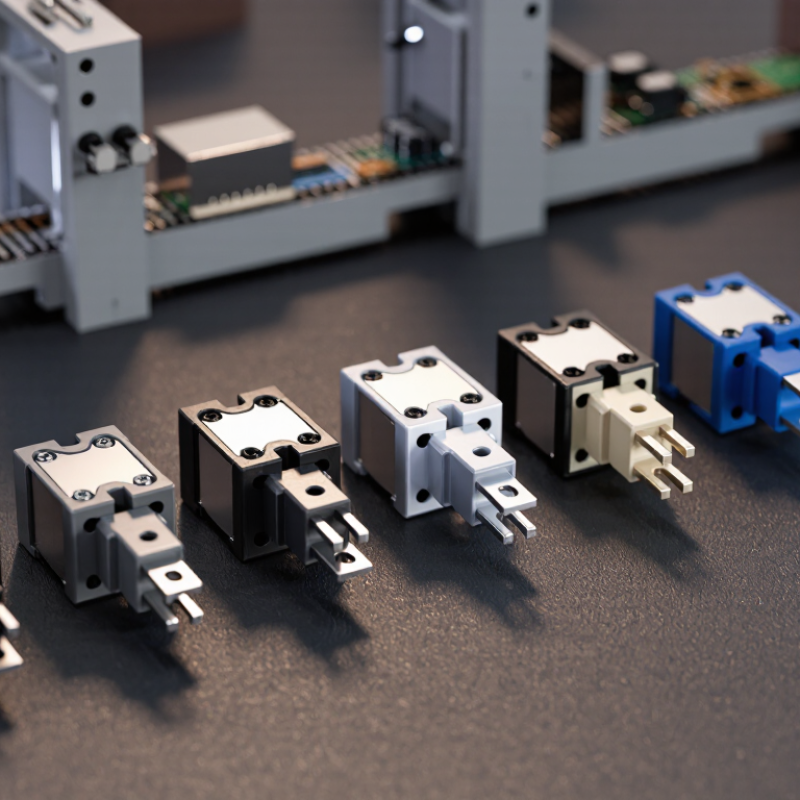
What Are Sealed Micro Switches and How Do They Work?
What Are Sealed Micro Switches and How Do They Work?
Sealed micro switches are compact snap-action devices that control electrical circuits through a small mechanical movement. Their housing protects internal contacts from dust, moisture, oil, and fine debris. The actuator may be a plunger, roller, lever, or hinge arm. Pressing it moves a spring mechanism, changing the contact position almost instantly. The audible click is useful, but it does not prove reliable switching.
The International Electrotechnical Commission’s IEC 60529 standard defines IP protection levels, helping buyers compare resistance to solids and water. For example, an IP67 enclosure is tested against dust ingress and temporary immersion. These ratings describe the enclosure, not every installation condition. A cable entry can still become the weak point. That detail is often missed.
Industry testing guidance commonly evaluates electrical life, mechanical endurance, contact resistance, and vibration performance. A 2024 market analysis estimated the global micro switch sector at more than USD 1 billion, with industrial automation and vehicle systems supporting continued demand. Figures vary by research method. They should be treated as directional, not absolute. In practical testing, I would inspect the seal after repeated actuation, temperature cycling, and cable movement. A switch can pass a short bench test yet fail inside a damp machine. Choose the operating force carefully, because excessive force may shorten the mechanism’s useful life.
7 Best Sealed Micro Switches for Global Buyers? – What Are Sealed Micro Switches and How Do They Work?
Sealed micro switches are compact snap-action switches protected against dust, moisture, and other contaminants by a sealed housing, membrane, or actuator structure. When the actuator reaches its operating position, an internal spring mechanism rapidly changes the contact state, providing reliable switching with short travel and clear tactile feedback.
| No. | Recommended Sealed Micro-Switch Type | Typical Actuator | Typical Contact Rating | Typical Protection Level | Typical Operating Temperature | Common Terminals | Best Use Case | Main Selection Advantage |
|---|---|---|---|---|---|---|---|---|
| 1 | Sealed Subminiature Snap-Action Switch | Pin plunger or short button | Typically 0.1–5 A, 125–250 VAC; lower ratings are common for signal circuits | Commonly IP65–IP67, depending on construction | Approximately −40°C to +85°C | Solder, quick-connect, or PCB pins | Compact appliances, control panels, sensors, and compact mechanisms | Small footprint with fast snap action and good contamination resistance |
| 2 | Sealed Miniature Roller-Lever Switch | Roller lever | Typically 3–15 A, 125–250 VAC | Commonly IP65–IP67 | Approximately −25°C to +85°C | Quick-connect, solder, or screw terminals | Conveyor limits, access doors, machine guards, and moving targets | Smooth actuation and reduced friction when the target moves across the actuator |
| 3 | Sealed Hinge-Lever Micro Switch | Straight or extended hinge lever | Typically 3–15 A, 125–250 VAC | Commonly IP65–IP67 | Approximately −25°C to +85°C | Quick-connect or solder terminals | Position detection, covers, latches, vending equipment, and consumer equipment | Requires less direct actuator force than a standard plunger |
| 4 | Sealed Panel-Mount Plunger Switch | Threaded plunger with sealing hardware | Typically 3–15 A, 125–250 VAC | Often IP65–IP67 when correctly mounted | Approximately −40°C to +85°C | Screw, quick-connect, or solder terminals | Outdoor control boxes, industrial panels, door interlocks, and equipment enclosures | Easy panel installation and adjustable mounting position |
| 5 | Sealed PCB-Mount Micro Switch | Low-profile button or pin plunger | Typically 0.1–3 A for signal or low-power switching | Commonly IP54–IP67, depending on the sealing design | Approximately −25°C to +85°C | Straight or right-angle PCB pins | Electronic controls, battery-powered equipment, instruments, and embedded assemblies | Fast automated assembly and minimal wiring |
| 6 | High-Temperature Sealed Micro Switch | Plunger, lever, or roller lever | Typically 1–15 A, depending on voltage and contact material | Commonly IP65 or higher when specified for the application | Approximately −40°C to +125°C | High-temperature wire leads, solder, or quick-connect terminals | Heating equipment, engines, industrial ovens, and high-temperature machinery | Maintains mechanical and electrical performance in elevated temperatures |
| 7 | Sealed Long-Life Signal Micro Switch | Low-force plunger or lever | Typically 0.01–1 A for low-voltage signal circuits | Commonly IP65–IP67 | Approximately −40°C to +85°C | Gold-plated or standard signal terminals, solder, or PCB pins | Automation sensors, control systems, security equipment, and instrumentation | Suitable for frequent low-current switching with reduced contact wear |
Buyer note: Ratings, IP protection, electrical life, operating force, travel, and temperature limits vary by construction and test standard. Confirm the manufacturer’s datasheet, mounting method, load type, terminal configuration, and required certifications before purchase.
BUSINESSES USING CAMASTER