How to Choose the Right CNG Piston Compressor for Your Needs?
Choosing the right CNG piston compressor can be a challenging task. Compressed natural gas (CNG) is gaining popularity as a cleaner alternative to traditional fuels. According to the U.S. Department of Energy, the global market for CNG compressors is projected to reach $5 billion by 2025. This rapid growth shows a rising demand for efficient energy solutions.
When selecting a CNG piston compressor, it’s essential to consider factors such as capacity, pressure, and operational efficiency. Each application may require a different configuration. Industry reports highlight that compressors with higher compression ratios perform better in various conditions. However, this doesn’t mean they are always the best choice for every user.
Quality and reliability are paramount in choosing a compressor. Many manufacturers claim superior performance, but not all products meet industry standards. A review of customer feedback and expert analysis can help narrow down options. Consideration of maintenance needs is also critical. An unreliable CNG piston compressor can lead to significant downtime and increased costs. Make an informed choice based on solid data and real-world performance metrics.
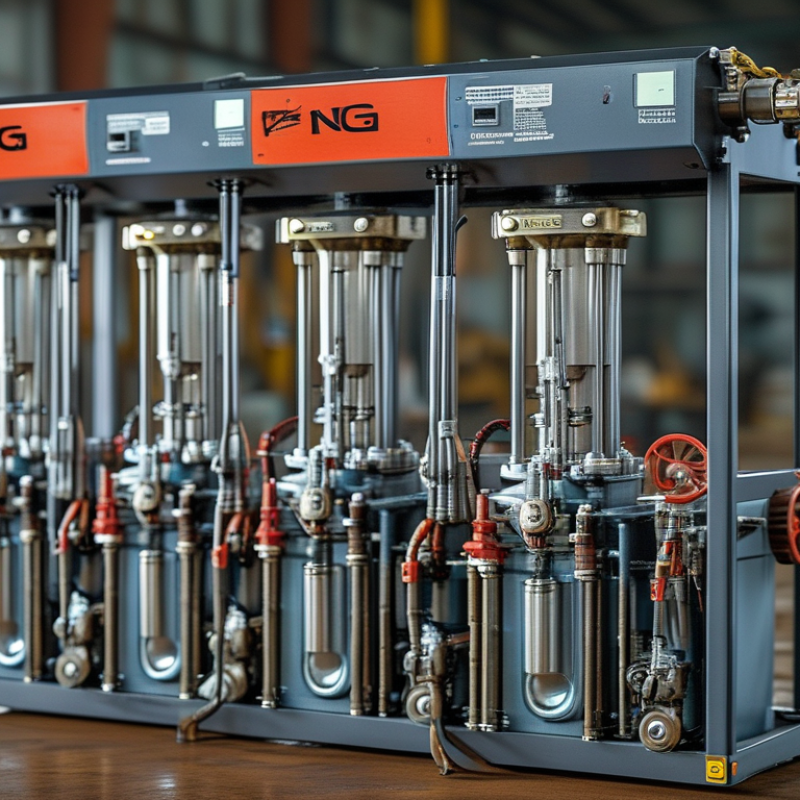
Understanding the Basics of CNG Piston Compressors and Their Applications
CNG piston compressors are crucial in various applications. They compress natural gas for different uses, including fueling vehicles and powering industrial equipment. Understanding their fundamentals can help in selecting the right model. These compressors utilize pistons to compress gas, making them efficient and reliable.
When evaluating a CNG piston compressor, consider its pressure rating and flow capacity. A model with higher pressure is suited for heavy-duty applications, while lower capacities may suffice for smaller needs. The compressor's design also plays a significant role. Some models are more suitable for continuous operation, while others work well intermittently.
Choosing the right unit requires reflecting on your specific requirements. Not every compressor fits every situation. What might seem adequate on paper could fall short in real-world use. Users often overlook serviceability and maintenance needs, which can lead to unexpected downtime. Assess how easy it is to obtain parts and perform repairs. This reflection can guide a more informed decision, ultimately enhancing operational efficiency.
Key Factors to Consider When Selecting a CNG Piston Compressor
Choosing the right CNG piston compressor involves understanding various key factors. Start by evaluating your operational needs. Consider the required flow rate and the compression ratio. These metrics influence overall efficiency. A compressor that doesn’t align with these needs can lead to energy wastage. If the flow rate is too low, you might face frequent downtime. Conversely, an oversized compressor wastes energy and may wear out faster.
Next, assess the environment where the compressor will operate. Factors such as temperature, humidity, and location are crucial. An inappropriate setting can impede performance. High temperatures can lead to overheating, while excessive moisture can cause maintenance issues. Make sure to opt for a model designed for your specific conditions.
Finally, consider maintenance and serviceability. Choose a compressor that is easy to access for repairs. Look for a design that includes clear instructions. Complicated systems can lead to more downtime, so simplicity is often better. Regular maintenance keeps your system running effectively. Reflect on your long-term needs, as choosing wisely now can save you costs in the future.
How to Choose the Right CNG Piston Compressor for Your Needs?
| Factor | Description | Importance Level |
| Operating Pressure | The maximum pressure the compressor can handle, critical for system requirements. | High |
| Flow Rate | The volume of gas the compressor can move, affecting overall efficiency. | High |
| Build Quality | Durability and reliability of the materials used in construction. | Medium |
| Maintenance Requirements | How often maintenance is needed and the complexity of servicing. | High |
| Noise Level | The sound produced by the compressor during operation. | Medium |
| Size and Weight | The dimensions and weight, important for installation and mobility. | Low |
Evaluating Compressor Efficiency: Power Consumption vs. Output Capacity
When choosing a CNG piston compressor, efficiency is crucial. Evaluating compressor efficiency involves comparing power consumption and output capacity. According to recent industry reports, a well-optimized compressor operates at around 70% efficiency. This means that 30% of the energy may be wasted.
In practical terms, consider a compressor model with a rated output of 400 m³/h. If the power consumption is 100 kW, the energy cost can add up significantly. Over a year, the operating costs could exceed $50,000 based on average energy prices. It is essential to evaluate the specific needs of your operations. Sometimes, a compressor with lower output but higher efficiency might prove more cost-effective in the long run.
Moreover, it is necessary to reflect on operational variables. Factors like ambient temperature, gas composition, and maintenance practices influence efficiency. For instance, if a compressor is regularly maintained, its performance can improve significantly. Regular checks and updates can ensure that the compressor operates close to its optimal capacity. Hence, careful consideration of these factors is vital when selecting a CNG piston compressor.
Understanding Maintenance Requirements for CNG Piston Compressors
Maintaining a CNG piston compressor is crucial for optimal performance. Regular checks on oil levels, filters, and wear parts can prevent unexpected breakdowns. This maintenance should occur at scheduled intervals to ensure your compressor runs smoothly. Operators often overlook these basic tasks, leading to inefficiencies and costly repairs.
Another aspect to consider is the environment in which the compressor operates. Dust, humidity, and temperature fluctuations can affect its reliability. Ensuring that the compressor is clean and well-ventilated can mitigate these risks. Depending on your application, additional cooling may be needed, highlighting the importance of proper installation and setup.
Operators should remain vigilant about unusual noises or performance drops. These can signal underlying issues. Documenting maintenance actions can help in identifying patterns of wear or recurring problems. Seeking professional consultation when needed can also be beneficial. Regular training for operators can ensure they understand the importance of maintenance deeply and take proactive measures.
Comparing Leading CNG Piston Compressor Brands and Specifications
When choosing a CNG piston compressor, it's essential to evaluate various brands and their specific attributes. Research indicates that compression efficiency and durability are key metrics to consider. Brands differ in their maximum pressure ratings, often ranging from 200 to 600 psi. This variation can significantly impact operational costs. A compressor with higher efficiency can reduce energy consumption by up to 30%, which is crucial for businesses focused on sustainability.
It's also vital to assess the cooling methods used in these compressors. Manufacturers often use either air or water cooling systems. Air-cooled models tend to be simpler and more cost-effective, while water-cooled ones may offer better performance under high loads. A study noted that water-cooled systems can sustain operations at higher temperatures without overheating.
Moreover, maintenance requirements can vary widely across brands. Some units are designed for easy access to components, which can reduce downtime. However, others may necessitate specialized training, increasing operational complexity. It's critical to explore the long-term implications of these differences. Companies should scrutinize warranty offerings and customer reviews for insight into reliability. An informed choice requires balancing specifications and user experiences to ensure a compressor aligns well with operational demands.