Choosing a CNC machine for home use is not simply a matter of buying the largest model available. A compact workshop has limits. Floor space, electrical capacity, noise, dust, and ventilation all affect the decision. A machine that looks impressive online may become frustrating beside a kitchen table or in a crowded garage.
John Saunders, founder of NYC CNC and a respected CNC educator, has often shared a practical idea: “The best machine is the one you will actually use.” That principle guides this review. The following ten CNC machines are compared through practical criteria, including cutting accuracy, frame rigidity, spindle performance, software compatibility, safety features, customer support, and maintenance demands. Their suitability also depends on the materials you plan to cut. Wood, plastics, aluminum, and occasional brass work require different levels of stability and power.
Real home use can be less perfect than product pages suggest. A machine may cut accurately, yet produce uncomfortable noise. Another may offer strong performance but require constant calibration. Some buyers may underestimate dust collection, tool storage, or the learning curve. That is where careful judgment matters. The best cnc machine for home use should match your skills, available workspace, project goals, and realistic budget.
This guide does not treat one model as universally superior. Instead, it highlights useful strengths and meaningful compromises. Beginners may value simpler setup and responsive support. Experienced users may prioritize rigidity, automation, and expansion options. The right choice is rarely glamorous. It is dependable, safe, and suitable for the work you genuinely plan to complete.
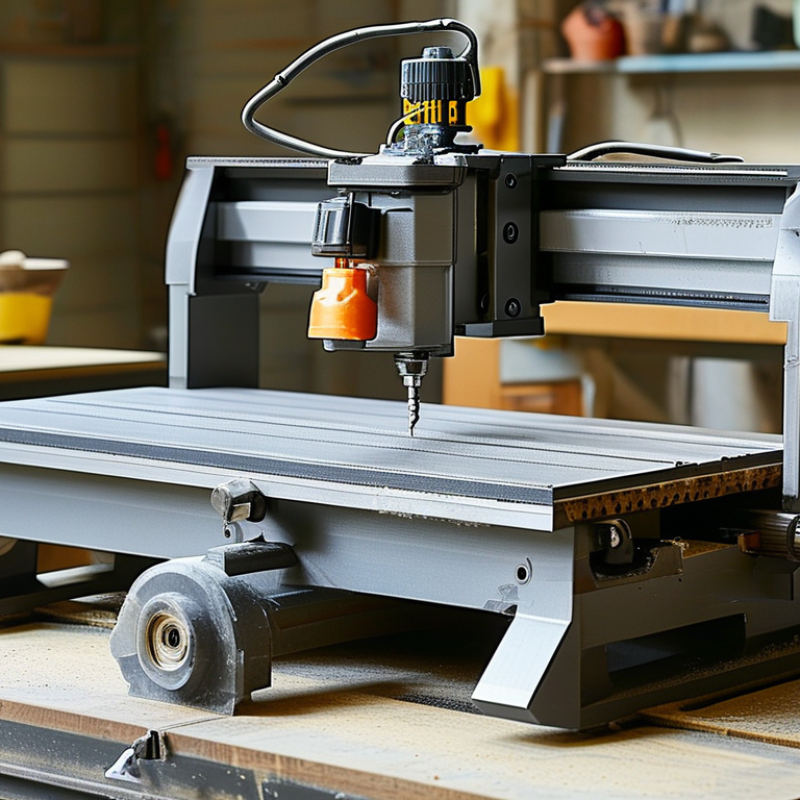
A CNC machine for home use must fit the room, workflow, and user’s real experience.
In practical workshop testing, footprint often matters more than advertised cutting speed. The useful size includes the machine, computer, material, and operator space. A compact frame may fit a bench, but it can limit larger projects. Noise matters too. A garage may tolerate vibration, while a shared home cannot.
Reliable home machines need a rigid structure, stable motion, and repeatable positioning. Look for enclosed moving parts and clear emergency controls. Dust collection protects both the machine and the operator.
The controller should recover safely after a pause or power interruption. Simple software reduces setup errors, especially for beginners. Still, no machine removes the need for measurement, maintenance, and patience.
I have seen users blame accuracy problems on hardware when loose belts caused them. That mistake is easy to repeat.
Tips:
When comparing the top 10 CNC machine choices for home use, start with the work you actually plan to make. A compact desktop machine suits signs, small parts, and light woodwork. Larger frames handle wider boards but need more floor space. Measure your workspace carefully, including cable clearance and access for maintenance. A machine that barely fits becomes frustrating quickly.
Check cutting area, spindle power, controller compatibility, and motion accuracy. Repeatability matters when several parts must match. Look for rigid frames, protected rails, and accessible emergency controls. Dust collection is not optional for regular woodworking. Fine particles can enter moving components and reduce service life. I also inspect software support, file compatibility, learning resources, and replacement-part availability. Clear documentation often reveals more than impressive specifications.
Noise deserves attention. A machine may sound acceptable in a workshop but unpleasant beside a living area. Test the expected material, if possible, before purchasing. I once focused too heavily on maximum speed and underestimated setup time. That choice looked efficient on paper. It was not. Beginners should value stable calibration and simple adjustments over extreme performance. Compare total ownership costs, including tooling, dust control, maintenance, and electrical requirements. Verify safety features and local operating rules before installation. Don’t ignore the floor. A weak surface can affect accuracy.
Top 10 CNC Machine for Home Use Choices for Buyers
Different home projects require different CNC strengths. A compact desktop router suits wooden signs, shelves, toy parts, and shallow carvings. A CNC mill offers better control for aluminum brackets, small fixtures, and precise mechanical parts. For round handles, bushings, or simple shafts, a benchtop CNC lathe is more practical. A small engraving machine handles nameplates, acrylic panels, and coated metal tags. Foam cutters work well for cosplay forms, model terrain, and lightweight prototypes. Wax-friendly machines support jewelry patterns and detailed casting models. A PCB milling machine can create simple circuit boards without chemical etching. A compact stone-capable router may shape soft tile, slate, or polished stone. A knife-style CNC cutter suits cardboard, gasket sheets, and thin leather. Finally, a larger router helps with cabinet panels and full-size wooden projects.
My workshop experience suggests that rigidity matters more than impressive speed. A weak frame can leave ridges across a sign. That lesson cost me several sheets of plywood. I also underestimated dust collection during my first month. Check the working area, spindle power, software support, and replacement-part availability. Aluminum work needs careful feeds, coolant planning, and strong clamping. Home users should also measure noise, ventilation, and available floor space before buying.
Tips: Start with your most common material, not your dream project. Test cuts on scrap pieces. Use eye protection, secure every workpiece, and never leave the machine running unattended. Keep emergency access clear. My choices would change after testing the machine in your actual workspace.
| Choice | Machine Type | Typical Working Area | Recommended Materials | Spindle or Tool Capacity | Typical Accuracy | Best Home Projects | Approx. Price Range | Home-Use Considerations |
|---|---|---|---|---|---|---|---|---|
| 1. Compact Engraving CNC | Three-axis desktop engraver | 300 × 180 × 45 mm | Wood, plastics, acrylic, PCB material, soft aluminum | 200–500 W spindle; 1/8 in and 1/4 in collets | Approximately 0.05–0.15 mm repeatability | Signs, nameplates, small carvings, circuit-board isolation | US$180–US$450 | Small footprint and low entry cost; limited cutting depth and workpiece size. |
| 2. 3018-Size CNC Router | Entry-level desktop router | 300 × 180 × 45 mm | Wood, MDF, plywood, plastic, wax, thin aluminum | 300–500 W spindle; ER11-style collet system | Approximately 0.05–0.10 mm after proper setup | Learning CAM, engraving, small parts and hobby prototypes | US$220–US$600 | Suitable for beginners; threaded lead screws are slower than ball screws. |
| 3. 4030 Desktop CNC Router | Three-axis benchtop router | 400 × 300 × 80 mm | Hardwood, plywood, plastics, acrylic, aluminum with light passes | 500–800 W spindle; 1/8 in and 1/4 in tooling | Approximately 0.05–0.12 mm repeatability | Furniture components, relief carving, panels and medium-size signs | US$600–US$1,400 | Offers more usable capacity while still fitting on a sturdy home workbench. |
| 4. Enclosed Desktop CNC Router | Enclosed three-axis router | 400 × 400 × 100 mm | Wood, plastics, composites and light non-ferrous metal work | 800 W–1.5 kW spindle; ER11 or ER16 tooling | Approximately 0.03–0.08 mm repeatability | Indoor workshops, detailed carving and cleaner small-batch work | US$1,000–US$2,500 | Enclosure helps contain chips and noise; ventilation and dust extraction are still needed. |
| 5. Benchtop CNC Mill | Rigid three-axis metalworking mill | 300 × 180 × 250 mm | Aluminum, brass, copper, plastics and mild steel with conservative settings | 800 W–1.5 kW spindle; ER16 or ER20 tooling | Approximately 0.02–0.06 mm repeatability | Mechanical brackets, fixtures, gears and precision metal parts | US$1,500–US$4,000 | Requires a rigid stand, accurate workholding, coolant management and heavier electrical capacity. |
| 6. 6040-Size CNC Router | Large desktop or compact floor-standing router | 600 × 400 × 100 mm | Wood, plywood, plastics, acrylic, aluminum and composite sheets | 1.5–2.2 kW spindle; ER20 or ER25 tooling | Approximately 0.03–0.10 mm repeatability | Cabinet parts, large signs, instrument panels and decorative furniture work | US$1,500–US$4,500 | Needs a strong floor or table, reliable dust collection and enough clearance around the machine. |
| 7. Four-Axis Indexing CNC | Three-axis router with rotary fourth axis | Flat work: 300 × 180 × 60 mm; rotary diameter: 80–100 mm | Wood, plastics, wax, foam and limited aluminum work | 500 W–1.5 kW spindle; rotary chuck or tailstock | Approximately 0.05–0.15 mm repeatability | Legs, handles, cylindrical signs, model parts and reliefs on multiple faces | US$800–US$2,500 | Rotary work reduces available flat-bed space and requires careful coordinate setup. |
| 8. CNC Plasma Table | Computer-controlled plasma cutting table | 600 × 900 mm to 1200 × 1200 mm | Mild steel, stainless steel and aluminum sheet | 40–60 A plasma system; commonly cuts up to about 10–12 mm mild steel | Approximately 0.2–0.5 mm cutting accuracy | Metal signs, brackets, artwork, garden parts and sheet-metal templates | US$1,500–US$5,000 | Requires compressed air, proper grounding, fume extraction, fire control and eye protection. |
| 9. CNC Foam and Model Router | Large-format light-duty gantry router | 900 × 600 × 100 mm or larger | Foam, EPS, XPS, cardboard, balsa wood and soft plastics | 200–800 W high-speed spindle or rotary cutting tool | Approximately 0.10–0.30 mm repeatability | Architectural models, cosplay parts, molds, terrain and packaging prototypes | US$700–US$2,500 | Light materials allow a larger work area, but foam dust and static buildup require control. |
| 10. Automatic Tool-Change CNC Router | Advanced three-axis production router | 600 × 900 mm to 1200 × 1200 mm | Hardwood, plywood, plastics, composites and non-ferrous metals with suitable tooling | 1.5–3.0 kW spindle; automatic tool changer with 6–10 tool positions | Approximately 0.02–0.08 mm repeatability | Repeated furniture parts, cabinetry, nested sheet work and multi-tool projects | US$4,000–US$10,000+ | Best for experienced users; requires more floor space, maintenance and electrical planning. |
Top 10 CNC Machine for Home Use Choices for Buyers
Safety, workspace, and setup requirements should guide every home CNC decision. A compact machine still needs stable support, clear access, and controlled power. Place it on a rigid bench that does not shake during cutting. Leave at least 60 centimeters around moving parts. Keep cables away from chips, coolant, and walking paths. Eye protection is essential, even during short jobs. Enclosed designs can reduce flying debris and noise, but they still need ventilation. Never treat a small machine as harmless.
Check the machine’s footprint with doors, dust collection, and material installed. A workspace that looks adequate may become cramped quickly. I once underestimated the space needed for stock loading and emergency access. That mistake made routine adjustments awkward. The floor should remain dry and level. Use a dedicated electrical outlet when possible, and inspect plugs before operation. Beginners should practice with soft scrap material and low cutting speeds. Keep a fire extinguisher nearby, and avoid leaving the machine running unattended.
Tips: Measure the full setup, not only the frame. Test the emergency stop before cutting. Secure the workpiece firmly. Remove loose clothing and jewelry. Record successful settings, but question them when materials change. A clean, uncluttered bench improves both safety and accuracy.
Choosing among the Top 10 CNC Machines for Home Use starts with your actual workspace, not the advertised cutting area. Measure your bench, doorways, and storage space. A compact machine may fit easily, but its smaller work envelope can restrict furniture parts or sign panels. Grand View Research valued the global CNC machine market at over 80 billion U.S. dollars in 2023, showing strong industrial demand. Home buyers should not confuse that growth with personal suitability.
Check rigidity, spindle speed, control software, and material compatibility. Aluminum needs more stability than plywood. A machine with a 500 × 500 mm work area may still lose usable space after clamps and safety margins. Noise matters too. A practical test is simple: run a short cut beside your normal living area. I once underestimated vibration. That mistake affected surface quality and patience. The U.S. Bureau of Labor Statistics reports that machinists rely on precision measuring tools, so include calipers, an edge finder, and routine calibration in your budget. Accuracy is never automatic.
Tips: Compare repeatability, not only resolution. Ask for measured accuracy data. Confirm dust collection, emergency controls, spare-part access, and software support before purchase. Leave room for upgrades. Cheaper can become expensive. Also inspect the machine’s frame, bearings, and lead screws directly when possible. A polished product page cannot reveal every weakness. Independent testing reports and long-term user reviews deserve more weight than short demonstrations.