Top 10 Tips for Buying Concrete Batch Plants Efficiently
In the rapidly growing concrete industry, the demand for high-quality Concrete Batch plants is rising. According to a recent report by Market Research Future, the global concrete equipment market is expected to reach USD 45 billion by 2025. This boom brings opportunities to construction firms, but choosing the right Concrete Batch equipment remains critical.
Selecting a suitable Concrete Batch plant can significantly impact efficiency and profitability. With options ranging from stationary to mobile plants, each type has unique advantages and challenges. Quality and production output are crucial, but understanding operational costs and maintenance is equally important. Many buyers overlook the long-term implications of their purchase, often leading to regret later.
Making an informed decision is vital. Researching specific needs, evaluating reputable manufacturers, and considering future scalability can lead to smarter choices. Quality assurance and after-sales support should not be underestimated. Ultimately, investing time in understanding the Concrete Batch plant purchasing process can yield exceptional benefits and enhance project success.
Understanding Concrete Batch Plants and Their Importance
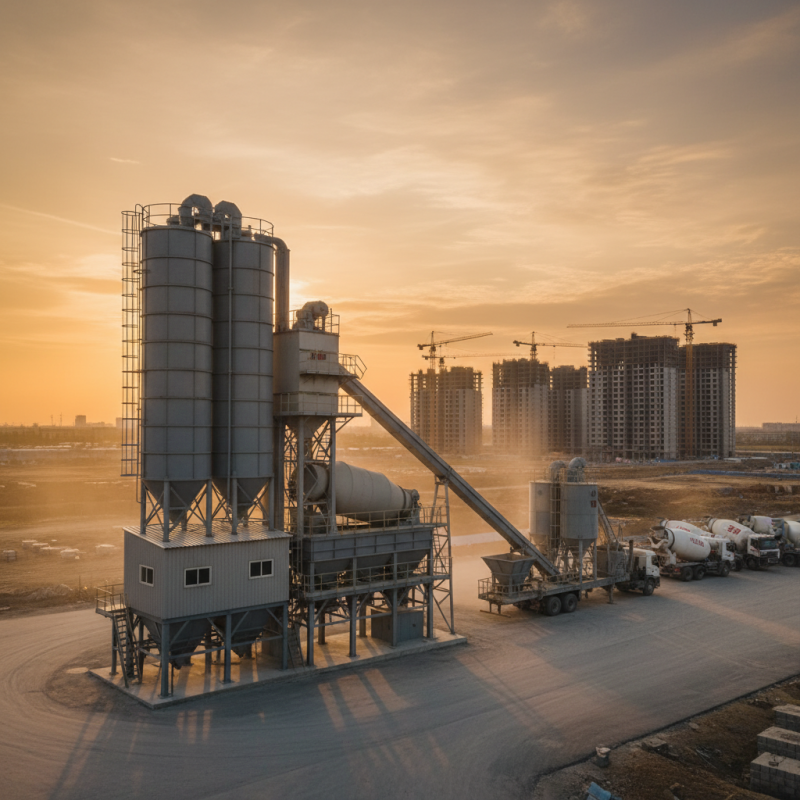
Concrete batch plants play a vital role in the construction industry. These plants mix raw materials such as cement, sand, and gravel into concrete. The quality of concrete directly impacts the durability of structures. According to a report by the National Ready Mixed Concrete Association, around 70% of U.S. infrastructure relies on concrete. This emphasizes the need for reliable batch plants.
When purchasing a concrete batch plant, understanding specifications is crucial. Different plants offer varying capacities, typically ranging from 30 to 200 cubic yards per hour. Efficiency is key. A well-optimized plant reduces waste and ensures consistent quality. However, many buyers overlook the importance of proper installation and maintenance, leading to inefficiencies. Regular inspections are essential; they can uncover hidden issues, preventing costly downtime.
The choice of equipment can also impact production speed. Advanced technologies, such as automated controls, enhance accuracy and reduce labor costs. However, familiarity with these systems is necessary. Without skilled operators, even the best equipment can underperform. Monitoring and training programs can enhance operational efficiency. Investing time in understanding your batch plant can yield significant benefits in the long run.
Key Features to Consider When Choosing a Concrete Batch Plant
When considering a concrete batch plant, several key features are essential. The plant's capacity is a primary concern. Depending on project size, production output can vary significantly. A plant that offers a capacity of 30 to 150 cubic yards per hour may suffice for small to medium-sized projects. However, larger operations may require upwards of 200 cubic yards or more.
Automation and control systems enhance efficiency too. Modern batch plants often incorporate advanced software for better accuracy. Operators can reduce human error, improving material usage by 5-10%, according to industry reports. Additionally, consider the mobility of the plant. Portable designs can facilitate projects in multiple locations, saving time and costs associated with rigid setups.
Material handling systems also play a crucial role. Reliable aggregates feeding systems prevent material loss and ensure consistent quality. Studies show that plants lacking efficient logistics can experience up to 20% downtime due to bottlenecks. By prioritizing these features, potential buyers can make more informed decisions aligned with their specific project needs.
Evaluating the Capacity and Production Efficiency of Batch Plants
When evaluating the capacity of concrete batch plants, consider your project needs. Understand the types of concrete required. This understanding will help you gauge the right plant size. A plant with limited capacity may not meet your demands during peak times.
Production efficiency is equally crucial. Look at the plant's mix design capabilities. A more versatile plant can adjust to various specifications, enhancing productivity. Efficient batching reduces waste and ensures consistent quality. However, a highly efficient system may require complex maintenance. You must balance efficiency with ease of operation.
It's important to analyze the technology used in the batch plant. Are the components outdated or modern? Older systems might be less efficient, leading to increased costs. Newer technology often offers better automation, improving overall performance. Yet, with technology comes a learning curve. Training might be necessary to get the most from advanced equipment.
Assessing Financial Implications and Budget for Purchase
When buying a concrete batch plant, financial implications must be thoroughly assessed. The initial cost can be substantial. However, other hidden expenses can arise. These include maintenance, spare parts, and energy consumption. Creating a detailed budget helps in tracking these costs effectively.
Consider the long-term value of the investment. A more expensive model might have lower operating costs. Analyze the equipment's lifespan against its price. This involves calculating return on investment (ROI). You’ll want to ensure that your choice remains economical over time. Unexpected costs can disrupt financial stability, so plan for contingencies.
Align your budget with cash flow projections. Understand how the purchase impacts your overall business finances. You might need to adjust other spending. This careful planning highlights any areas needing attention. Evaluate different financing options too. Interest rates can differ significantly, impacting long-term costs. A clear financial strategy can make the process efficient and lessen stress.
Researching Reputable Manufacturers and Supplier Support Options
When considering a concrete batch plant purchase, researching reputable manufacturers is crucial. Start by gathering information from industry sources. Look for reviews and testimonials from past customers. This feedback can provide insights into the reliability and performance of different brands. A reputable manufacturer should have a strong online presence, showcasing their experience and past projects.
Supplier support options can make or break your investment. Assess the level of customer service offered by potential suppliers. Are they responsive to inquiries? Do they provide technical assistance? Evaluate their warranty and maintenance services. These factors contribute to your long-term satisfaction. It’s essential to have reliable support during installation and operation.
While researching, it’s easy to overlook the importance of these details. Some manufacturers may appear appealing but fail in support. Take your time. Dive deep into the specifications and performance capabilities of each option. Balancing efficiency and reliability can be challenging. Nonetheless, careful research will guide you to a sound decision. This prevents costly mistakes down the line.
Concrete Batch Plants Purchasing Insights