What is a Wood CNC Machine and How Does It Work?
The wood CNC machine has revolutionized the woodworking industry. As expert carpenter Steven Lee states, “These machines transform creativity into reality.” With precise cutting and engraving capabilities, they enable woodworkers to achieve intricate designs and craftsmanship.
Understanding how a wood CNC machine operates is essential for both beginners and experienced artisans. These machines utilize computer programs to control tools. This level of precision was once unimaginable in traditional woodworking. However, mastering such technology can be challenging.
Despite their advantages, wood CNC machines require a learning curve. Users must invest time in programming and setup. Moreover, issues with software compatibility may arise. A deeper understanding of machine operation is necessary for optimal outcomes. The wood CNC machine holds great potential, but it also demands respect and knowledge.
What is a Wood CNC Machine?
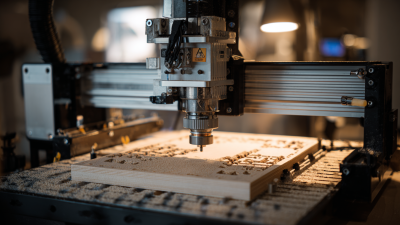
A wood CNC machine is a computer-controlled tool that carves and shapes wood materials. It utilizes a variety of cutting tools to create precise designs and patterns. According to industry reports, the woodworking CNC machine market is expected to reach $1.2 billion by 2025, showcasing the growing demand for automation in woodworking processes.
These machines work by interpreting a digital design file. This file guides the cutting tools to move, allowing for intricate cuts and shapes. CNC stands for Computer Numerical Control, emphasizing the technology's reliance on programmed commands. This technology significantly reduces manual labor and increases accuracy. Many users have noted initial difficulties with software and calibration, which can lead to frustration.
Tips: Ensure you understand the software fully. Invest time in tutorials or seek expert advice. Calibration is crucial for achieving quality results. Remember, practice is vital. Experimentation can lead to impressive designs, but be prepared for setbacks along the way. After all, mastering CNC technology takes time and patience.
Wood CNC Machine Usage Statistics
This chart illustrates the different applications of wood CNC machines, showcasing the percentage of usage across various categories such as furniture, cabinetry, decor, toys, and musical instruments.
Key Components of a Wood CNC Machine
A wood CNC machine is a fascinating tool in modern woodworking. Its key components play crucial roles in its functionality. The centerpiece is the CNC controller. This device interprets digital designs and translates them into precise movements. It directs the machine's movements to deliver accurate cuts and shapes.
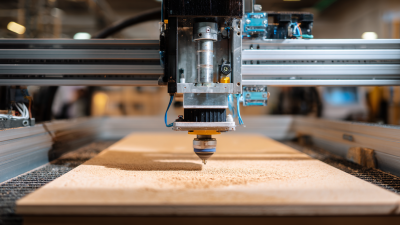
The spindle is another vital part. It houses the cutting tool and rotates at high speeds. This rotation allows for intricate designs and fine details. Additionally, there's the gantry or frame. It provides stability and supports the movement of the spindle. The sturdy structure ensures consistent performance, reducing vibrations during operation.
Another component is the worktable. It securely holds the wood in place. A good worktable prevents shifting, ensuring cuts remain accurate. Dust collection systems are also essential. Dust can cloud visibility and harm the machine. They improve the work environment, focusing on safety and cleanliness. Each component contributes to the wood CNC machine's effectiveness, though issues may arise, requiring careful adjustments and maintenance.
What is a Wood CNC Machine and How Does It Work? - Key Components of a Wood CNC Machine
| Component |
Description |
Function |
| CNC Controller |
The brain of the CNC machine, which executes the programmed design. |
Interprets G-code and controls the movement and operation of the machine. |
| Motors |
Electric motors responsible for moving the CNC machine's axes. |
Provide precise movement to carve and shape the material. |
| Spindle |
Houses the cutting tool and rotates it at high speed. |
Cuts into the material to create desired shapes and designs. |
| Frame |
The structural base that supports all machine components. |
Ensures stability and rigidity during operation. |
| Software |
Used to create and convert designs into machine-readable code. |
Enables toolpath generation and operational control. |
How Wood CNC Machines Operate: Step-by-Step Process
CNC machines for wood are fascinating tools. They automate the woodworking process, increasing efficiency and precision. Understanding how they operate is essential for anyone interested in woodworking.
When a wood CNC machine operates, the process begins with a digital design. This design is created using specialized software. The software converts the design into a language that the CNC machine understands. After this, the machine is set up with the appropriate wood material. Proper setup is crucial. An incorrectly aligned piece can ruin a project.
As the machine begins to work, it uses a rotating spindle with cutting tools. These tools carve out the design with precision. The machine follows the programmed path meticulously. However, sometimes, errors occur. This can happen due to human oversight or software glitches. After the cutting process, additional steps may be needed. Sanding or finishing touches are often required to achieve the desired look. Each phase has its challenges, and reflection on these processes can lead to improvements.
Advantages of Using Wood CNC Machines in Woodworking
Wood CNC machines have revolutionized the woodworking industry. They offer numerous advantages that enhance productivity and precision. First, they can automate complex cuts and designs. This reduces the time and labor involved in manual woodworking. According to industry reports, CNC machines can increase production efficiency by up to 50%. They streamline the process, allowing for more intricate designs and faster turnaround times.
Accuracy is another significant advantage. CNC machines operate with exceptional precision, achieving tolerances within 0.001 inches. This level of detail is hard to replicate by hand. It ensures that each piece is uniform and meets exact specifications. However, this technology is not without challenges. Operators need to continually update skills. Incorrect programming can lead to wasted materials and time.
Tips for choosing a wood CNC machine include understanding your specific needs. Consider factors like size, versatility, and software compatibility. Not all machines handle the same type of wood or project scale. Additionally, regularly maintaining your CNC machine can prevent costly repairs. Remember, investing in a quality machine pays off in the long run.